
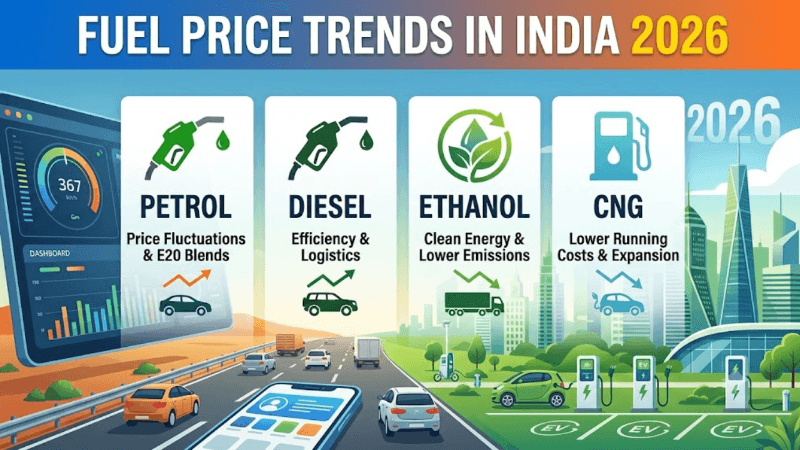
Fuel Price Trends in India 2026: Petrol, Diesel, Ethanol & CNG Cost Comparison
The
The
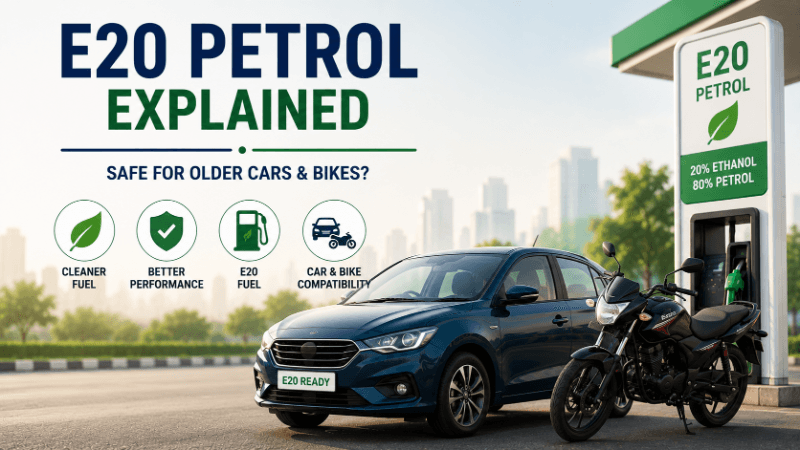
India

The

E85
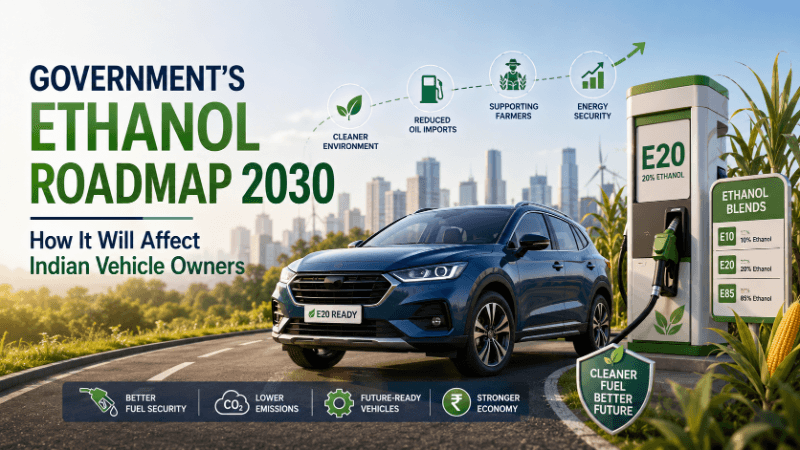
Ethanol
Road
Owning

Buying
Car

Buying
Buying
Many
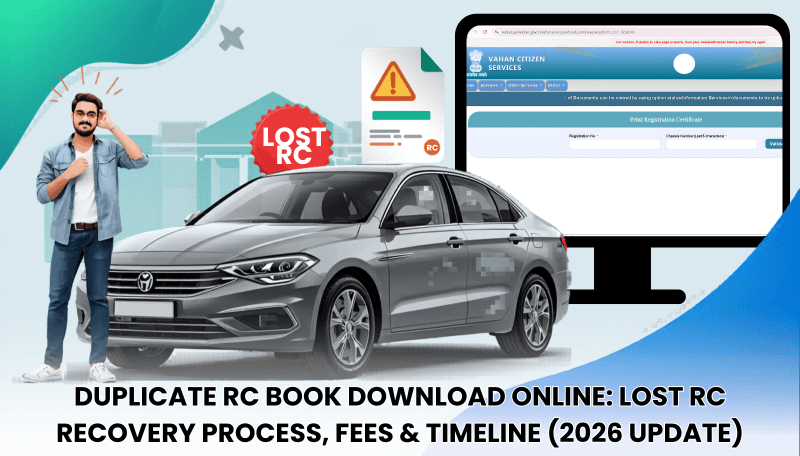
Losing
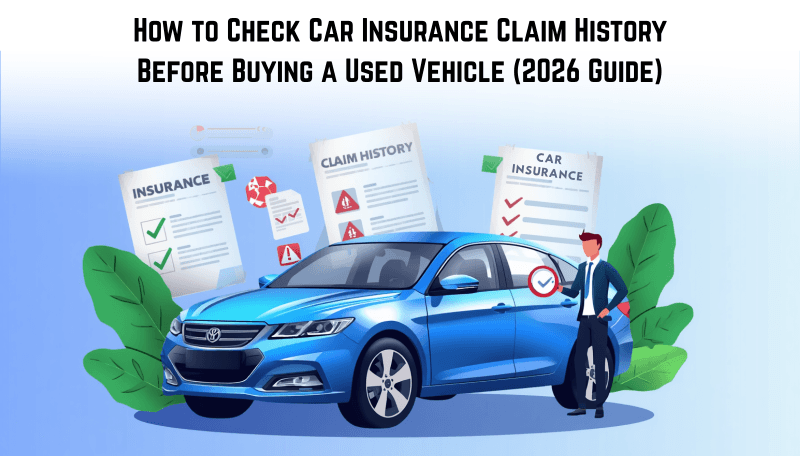
Many
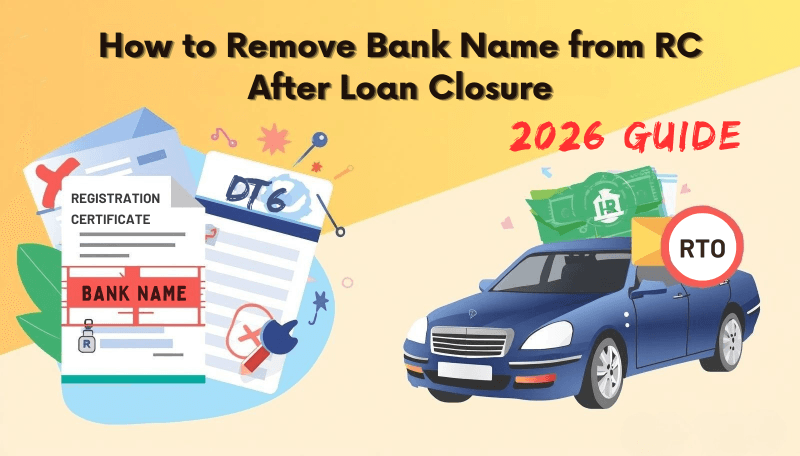
Many
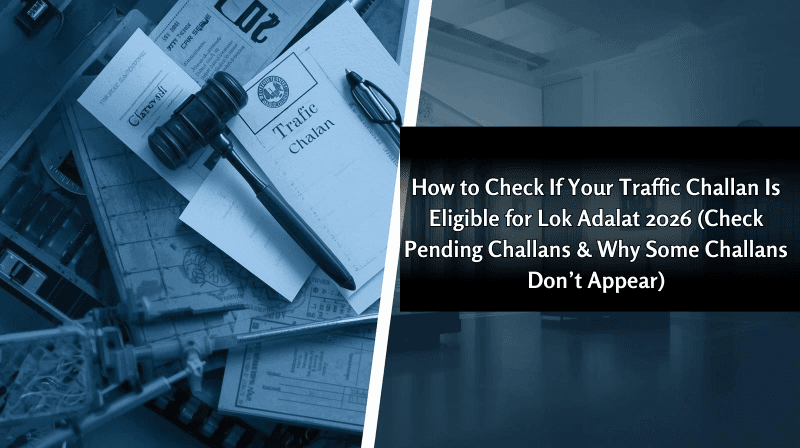
Many
There
The

Top
Buying
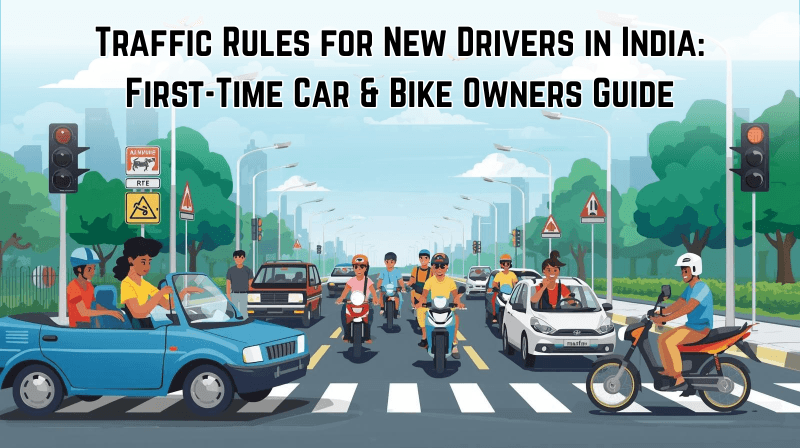
Buying your first car or bike brings excitement and a sense of independence. However, many first-time drivers in India are apprehensive about being unsure of road laws, required documents, and the potential liability of fines. Small things left unnoticed in the first few months often result in punishments, deduction of marks or troubles with insurance cover.
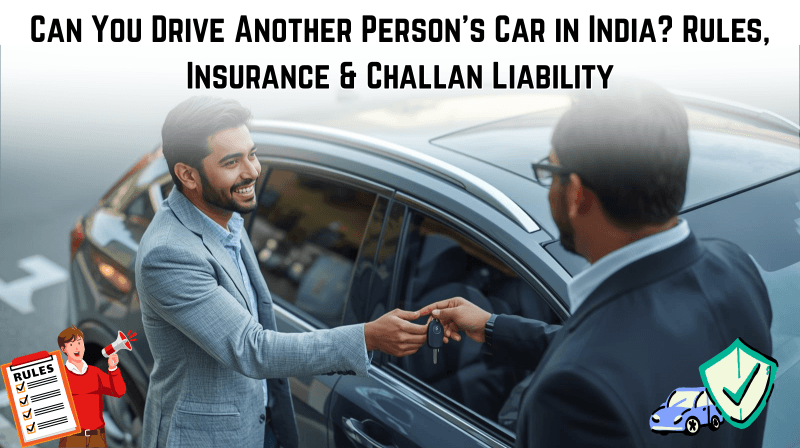
Many drivers in India borrow a friend’s or a relative’s vehicle for short trips. However, confusion often arises about legality, insurance validity, and liability in case of a traffic violation or accident. A simple mistake can lead to penalties, rejected claims, or legal complications. This guide explains the legal framework, documentation rules, insurance coverage, and challan responsibility when driving someone else’s vehicle in India. Understanding these points helps you stay compliant and avoid unexpected financial risks.

One of the most common road crimes in India is red light jumping. A large number of motorists are issued a challan without necessarily being stopped. Most of these fines are the ones issued by automated cameras. The drivers often question how the organisation works, the size of the penalty, and the possibility of appealing against the notice. The good knowledge of camera enforcement, the penalty scale, and existing legal options minimises unnecessary anxiety. This guide indicates how red-light detection operates, the probable cost and how to appeal against a challan.
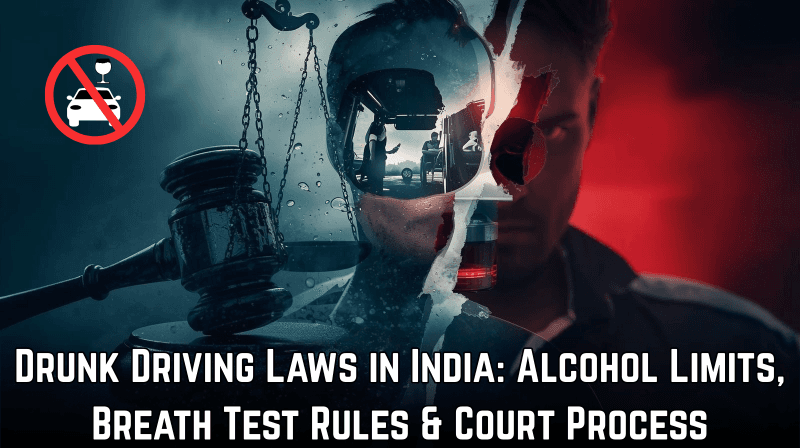
Drunken driving is one of the most serious traffic violations in India. Most drivers do not know the permissible level of alcohol, the steps in road side breath test, and what happens after a challan is issued. And this confusion can actually result in panic during checks and bad decisions afterwards. Indian law has specified that alcohol strength is allowed upto a certain extent and introduces punishment to handle it. Penalties include large fines, the possibility of imprisonment and licence suspension. Repeat offences attract harsher consequences. Knowing the rules can help drivers stay out of legal trouble and keep things off their records long-term. This guide provides easy-to-read legal information regarding alcohol limits, breath test requirements, penalties, and the courts.
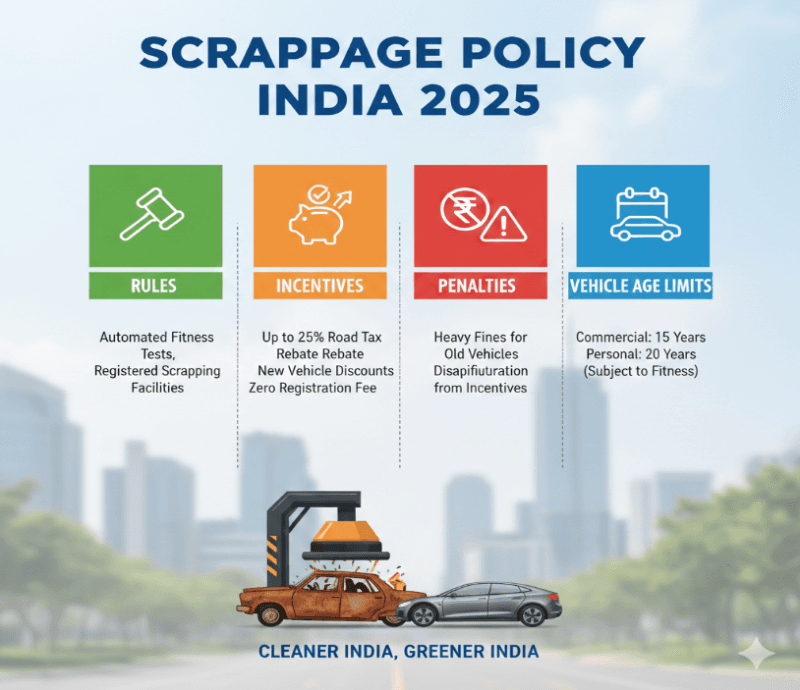
Scrappage Policy India 2025-26: Rules, Incentives, Penalties
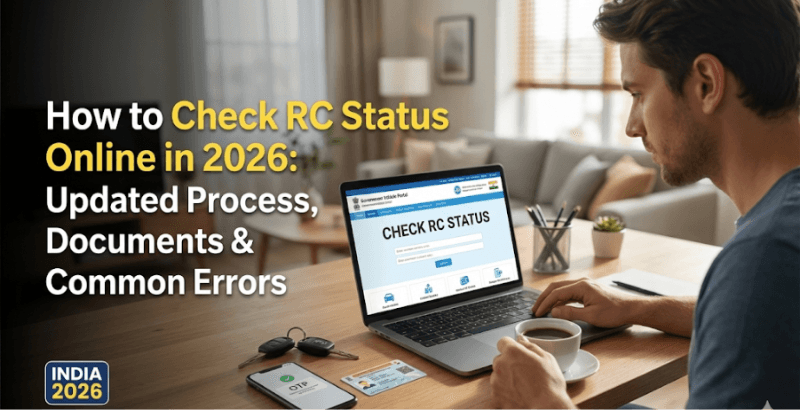
How to Check RC Status Online in 2026
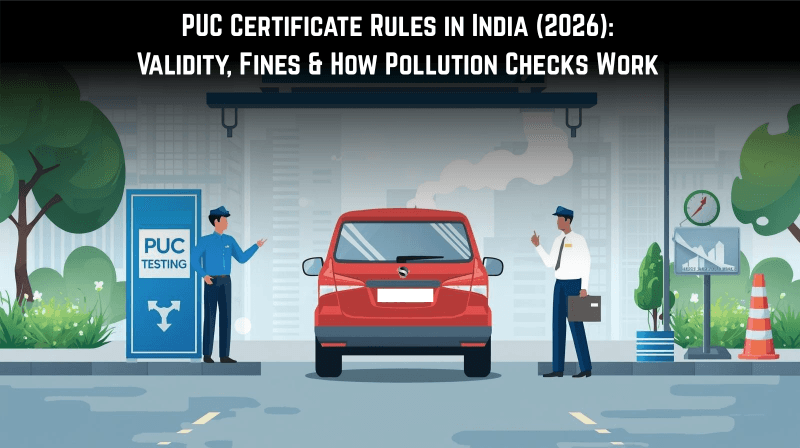
Many vehicle owners still get fined despite having valid documents. The most common reason is an expired or missing PUC certificate. In 2026, pollution control rules are stricter, digital checks are more extensive, and penalties are enforced more quickly. This guide explains the rules for PUC certificates in India, including validity periods, fines, testing procedures, and common mistakes. It also shows how MotoInfo helps you stay compliant without stress.
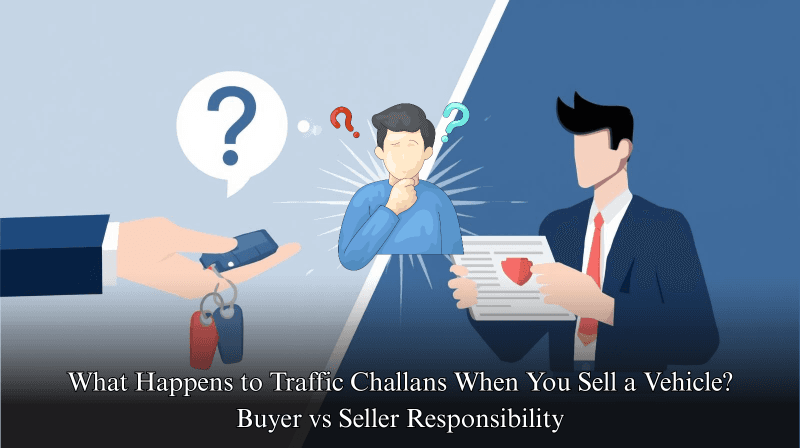
Selling a vehicle often feels complete once payment is received and keys are handed over. However, many owners later discover unresolved traffic challans linked to the same registration number. These challans can continue to appear even after the vehicle changes hands. Confusion about responsibility frequently leads to legal stress, blocked services, and delayed ownership transfers.
FASTag has become a compulsory part of highway travel in India. Yet many vehicle owners remain unclear about updated rules, penalty structures, and blacklisting risks. Small FASTag mistakes often lead to double toll charges, denied lane access, or even blocked vehicle services. These issues usually arise not from major violations, but from low balance, incorrect linking, or inactive tags.